Posted on — Leave a comment

Buying a Walk-In Chicken Coop in Washington: Sizes, Prices & Site Planning

Looking for a walk-in chicken coop near Stanwood, Washington? Start with the space you have, how you will care for your flock, and the complete installed cost. This guide compares our 4-, 6-, and 8-foot-wide models and helps you prepare the details we need for a quote.

Compare our walk-in coop sizes and base prices

Our current range uses Douglas fir frames. Width and length describe the overall model footprint; they are not a measurement of enclosed sleeping space. Compare the hen-house and run details on each product page before deciding how a model fits your flock.

Base model prices as of October 2026, before options, delivery, and applicable tax
WidthAvailable sizesBase prices
4 feet4 × 9, 4 × 12, 4 × 15 feet$2,800 / $3,300 / $3,800
6 feet6 × 12, 6 × 18, 6 × 24 feet$4,700 / $5,700 / $6,700
8 feet8 × 18, 8 × 24, 8 × 30 feet$9,400 / $11,400 / $13,400

See 4-foot walk-in coops · See 6-foot walk-in coops · See 8-foot walk-in coops

Choose for your daily routine, not just the footprint

Before selecting a size, picture yourself collecting eggs, reaching feeders and waterers, changing bedding, and cleaning the hen house. Leave room outside the structure for doors to open and for you to move tools and supplies. Mark the proposed footprint on the ground so you can see how it sits in your yard.

Tell us your current flock size, whether you plan to add birds, and whether the chickens will have access to space outside the run. Those details are more useful than choosing by width alone. We do not use the overall footprint as a blanket bird-capacity guarantee.

Plan the site before delivery

  • Measure access: note gates, tight turns, overhead branches, and the route from parking to the installation area.
  • Look at drainage: check where rainwater collects and discuss any uneven or soft ground before scheduling.
  • Allow working space: keep room around the proposed coop for assembly, door clearance, and future maintenance.
  • Check local requirements: confirm setbacks, placement rules, and any neighborhood restrictions for your specific property.
  • Send useful photos: a wide view of the installation area and photos of the access route help us understand the site.

Compare the complete cost

The base coop price is only part of the total. Review your selected size, optional upgrades, delivery, and applicable tax together. Check the current product page for available options and pricing. Enter your delivery address at checkout for an available delivery calculation, or request a quote if the location or access needs discussion.

We are based in Stanwood, Washington. Please provide your delivery city and ZIP code so we can confirm service availability and scheduling for your address. Confirm the delivery date with us before making arrangements around it.

Questions to ask before ordering

Can I stand inside the coop?

These are walk-in models. Review the dimensions and photos for your chosen model, and ask about the specific clearances that matter to you.

Does a larger footprint mean more enclosed hen-house space?

Not necessarily. The run and hen house serve different purposes. Compare both parts of the model rather than treating every square foot as enclosed housing.

Can I visit before deciding?

Visits are by appointment. See our location and directions and contact us to arrange a time.

What should I include in a quote request?

Your preferred model and size, flock size, delivery city and ZIP code, options you are considering, access details, and timing. If you are unsure of the model, tell us what you are trying to accomplish.

Get help choosing your coop

Request a coop quote or call Tim at 425-681-5793. You can also browse all walk-in chicken coops and meet our family.

Prices and available options can change. Product pages and your confirmed quote take precedence over this guide.
Posted on — Leave a comment

Farm & family: a look back through the years

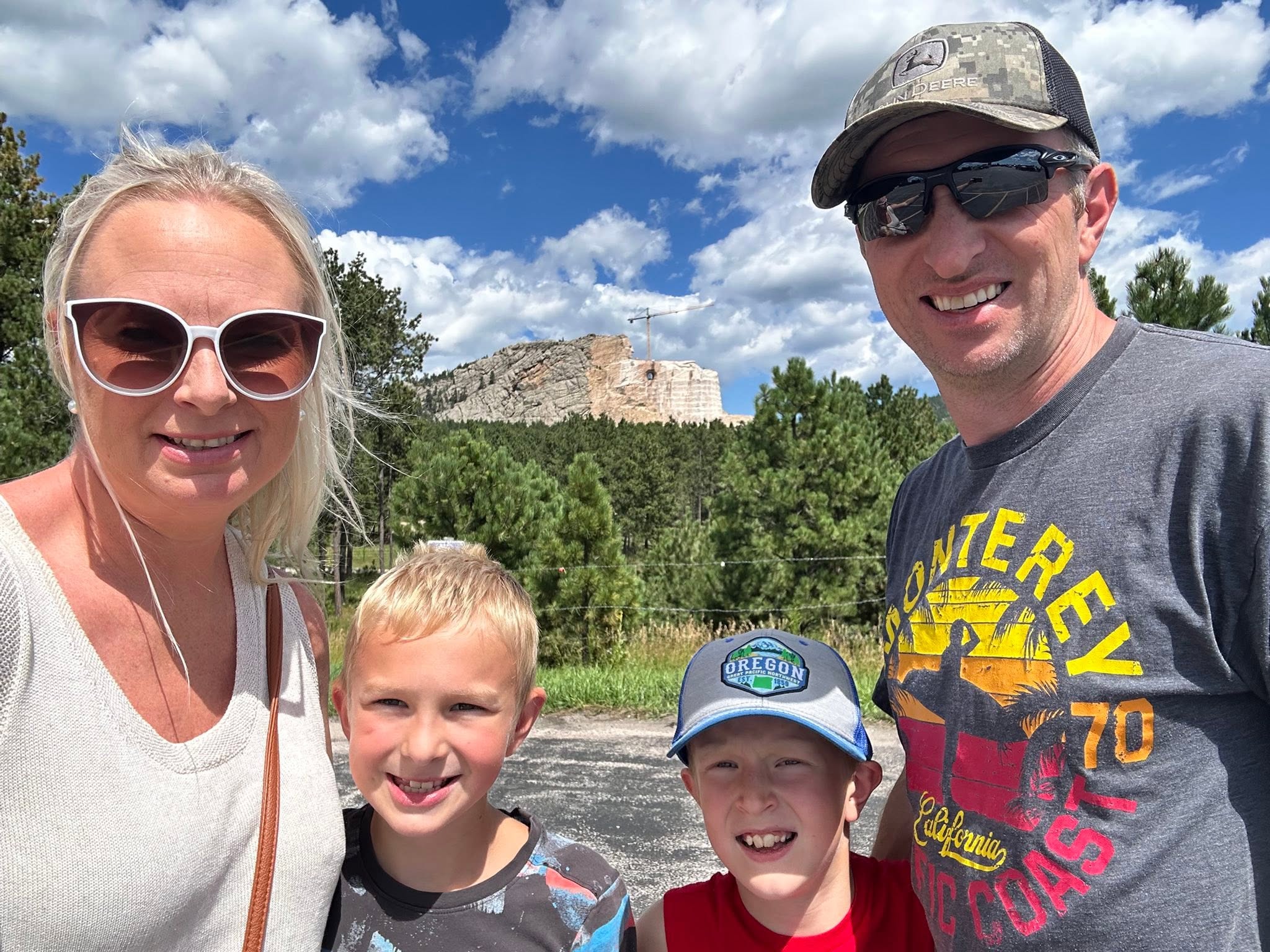
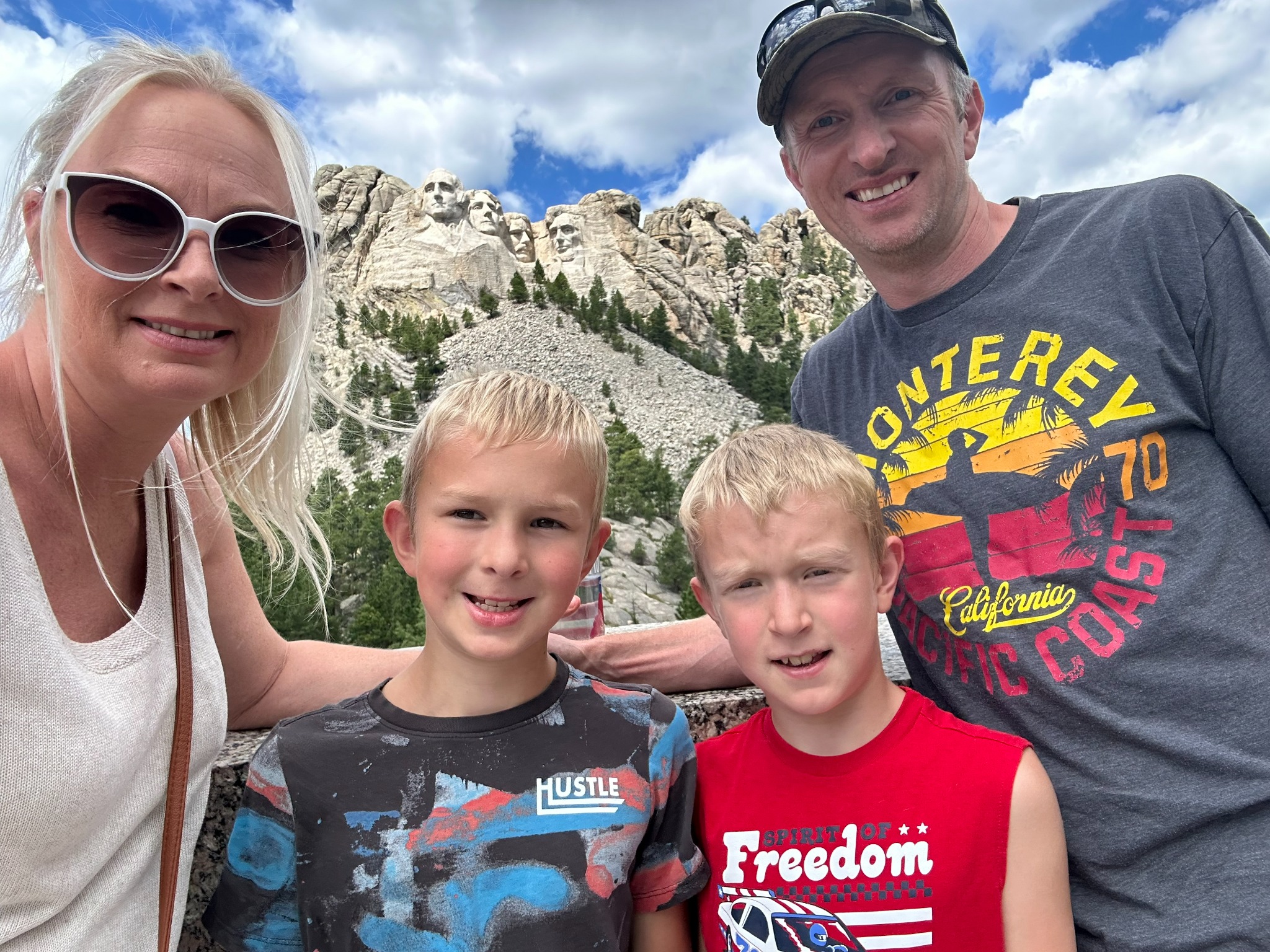
The Welsh family together at Mount Rushmore

A farm’s story is made up of everyday work, new ideas, and the family moments in between. For our first journal entry, I’m looking back at a few photographs I’ve shared over the years.

Our story starts with the land we bought in 2017, just before Porter was born. Since then, the farm and our family have grown together.

2017 · Where it began

A new farm. A growing family.

We purchased the land and started our farm in 2017, just before Porter was born. Looking back, those beginnings are tied to memories of the boys when they were little: Melanie and the boys feeding apples to the cattle, time together in the barn, and a round bale delivered with the tractor.

The photographs from those early years tell the story of a family growing up alongside a farm. They are the memories we want to keep coming back to in this journal.

A farm first

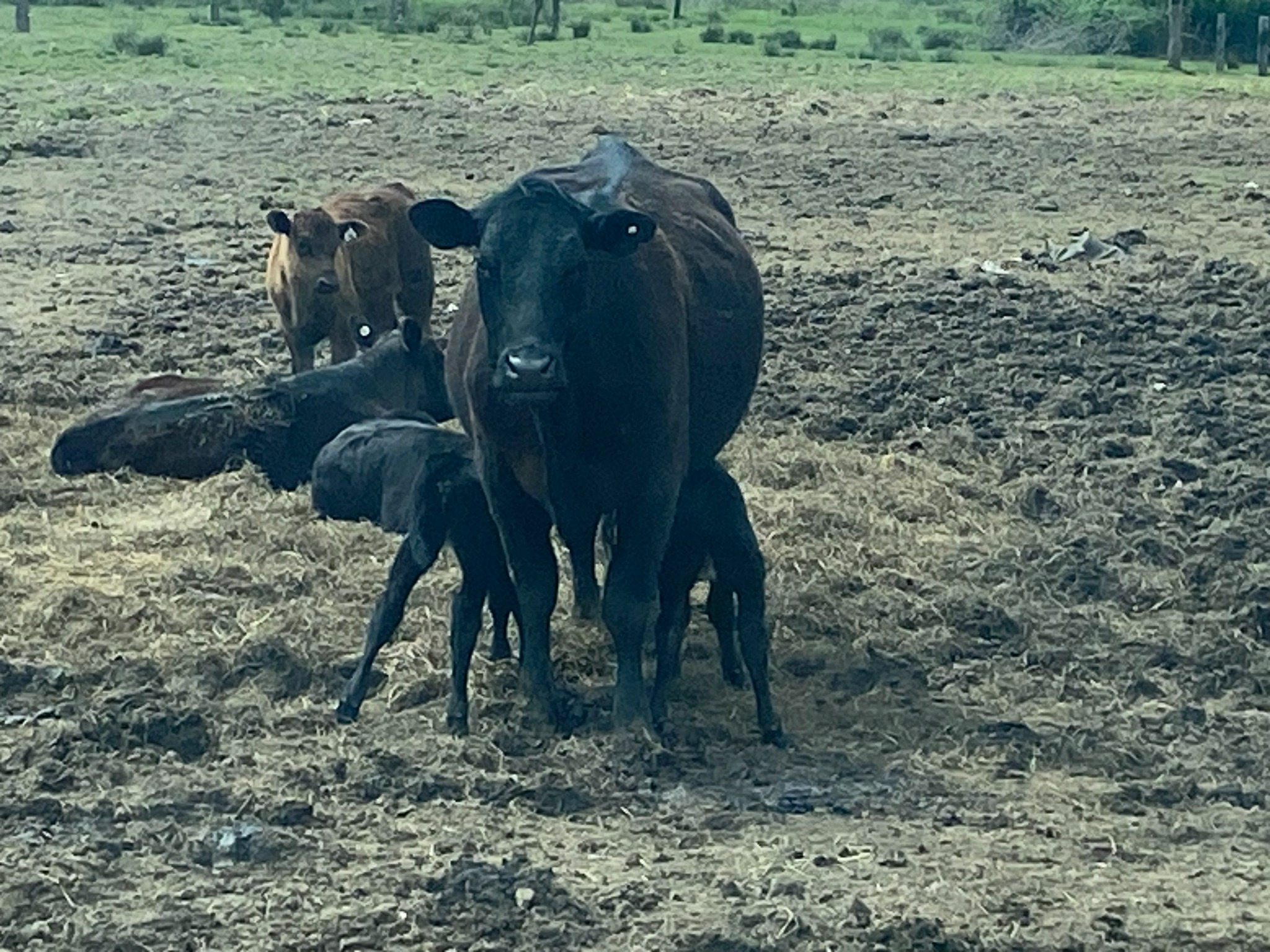
The first twins born on our farm.

These were the first twin calves born on our farm—a milestone to remember as we look back through the family album.

A cow standing with the first twin calves born on our farm
Our first set of twins born on the farm.

October 28, 2023 · From the farm album

“It all starts with grass.”

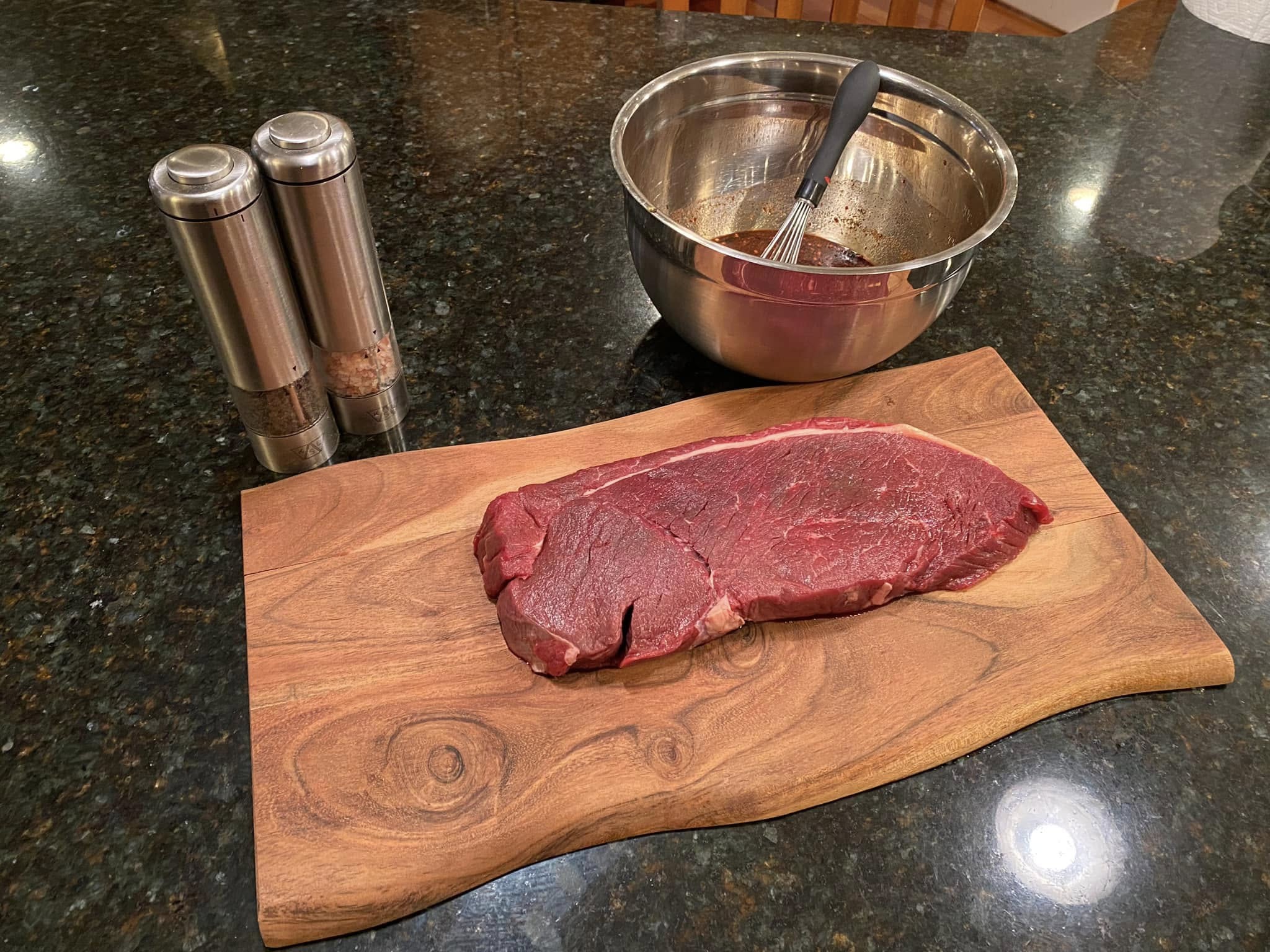
In October 2023, I shared my excitement about starting something new with the cattle company. The photographs showed beef being prepared for the table, and my message came back to where it begins:

“Ecstatic to start something new with my cattle company. It all starts with grass.”
Beef on a wooden board, from a cattle-company post shared in October 2023
From the original cattle-company post, shared October 28, 2023.

Looking back, this photograph captures a particular chapter in the business. It connects the work of raising cattle with the food that ends up on the table.

September 2, 2025 · A family adventure

Eleven nights on the road.

Our 2025 RV trip took us through Kellogg, Idaho, and Philipsburg, Montana, with stops at Yellowstone, Mount Rushmore, Crazy Horse, and Lewis & Clark Caverns. We spent eleven nights on the road and covered about 3,000 miles.

In the post I shared afterward, I called it “tons of fun.” This family photo is one of the memories from that summer adventure.

Our family together during the 2025 RV road trip
A family moment from the road-trip album, shared September 2, 2025.

There is more to our story than the business. These are the people and the moments behind it, too.

August 8, 2026 · Back on the farm

Feeding time.

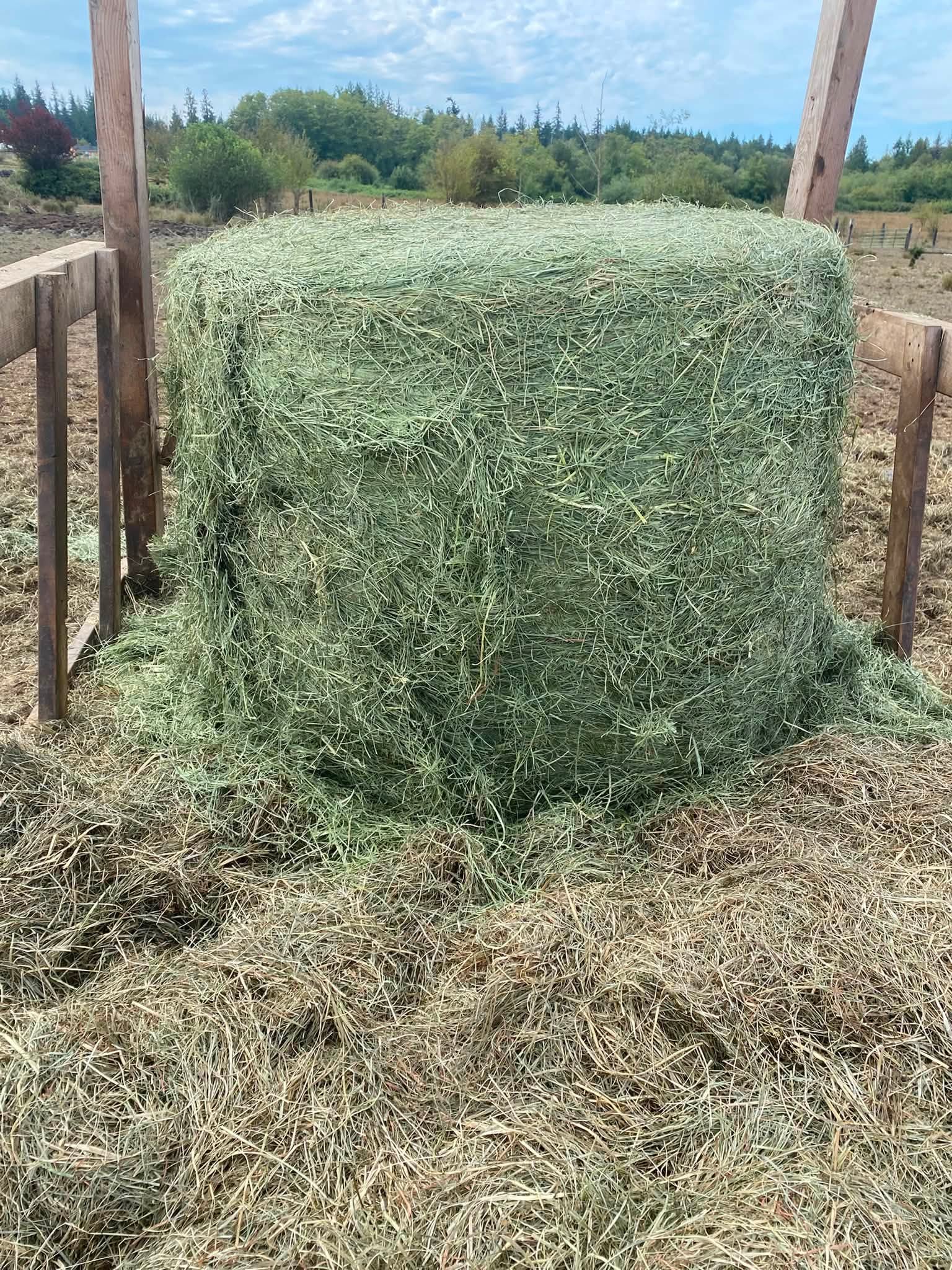
In August, I shared videos of Preston feeding the cattle, along with this photo of a round bale in the feeder.

The caption was only a few words: “Preston’s feeding cattle.” Sometimes that is all a memory needs—a small glimpse of the work happening on an ordinary day.

After the road-trip photographs, this brings the album back to farm life and the everyday moments we share here in Stanwood.

A round bale of hay in the cattle feeder at the farm
The feeding-time post, shared August 8, 2026.

A memory from the pasture

A round bale and a familiar chore.

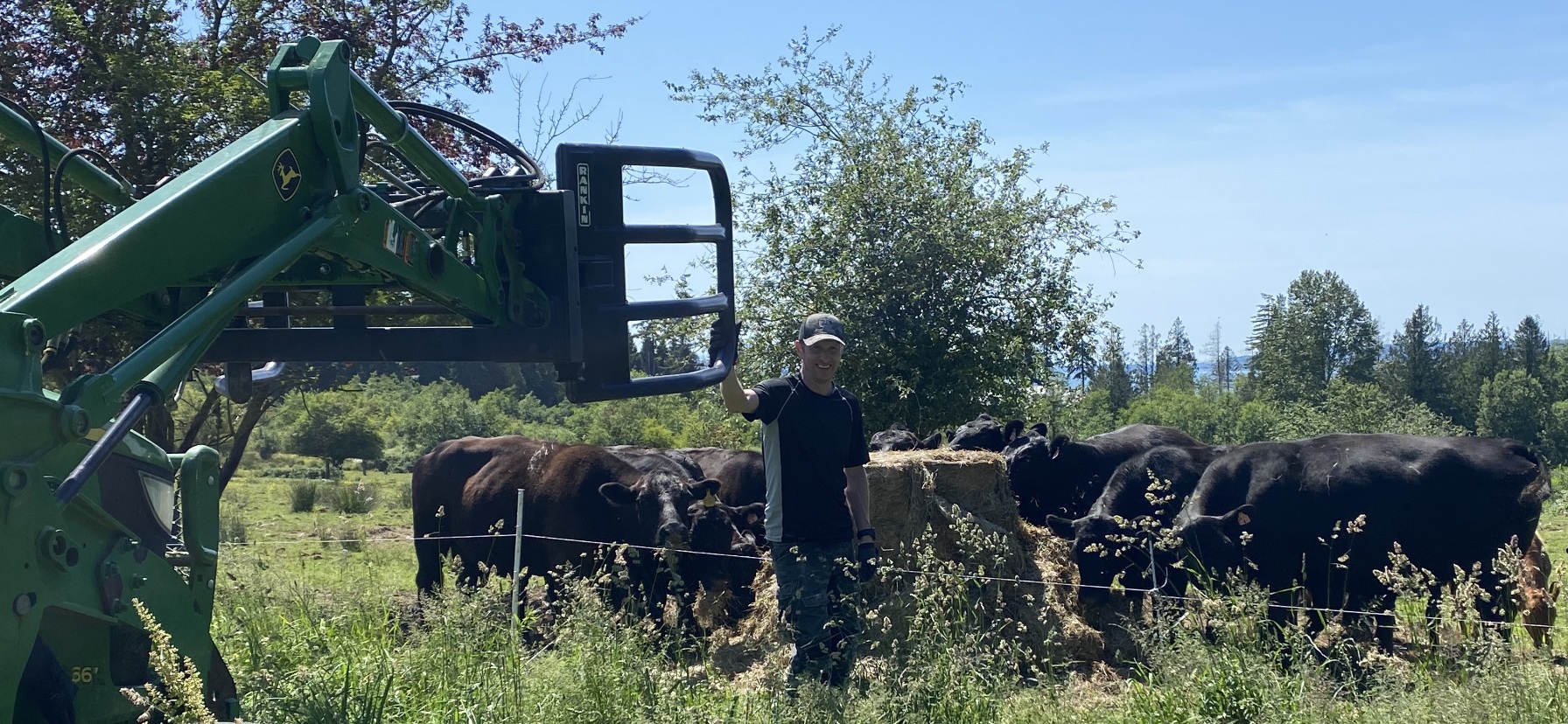
This is the tractor-and-round-bale moment from our family farm album: standing beside the tractor after bringing a bale out to the cattle.

Standing beside the tractor while cattle gather around a round bale
Feeding time with the tractor and a round bale.

From the farm album

Family time in the barn.

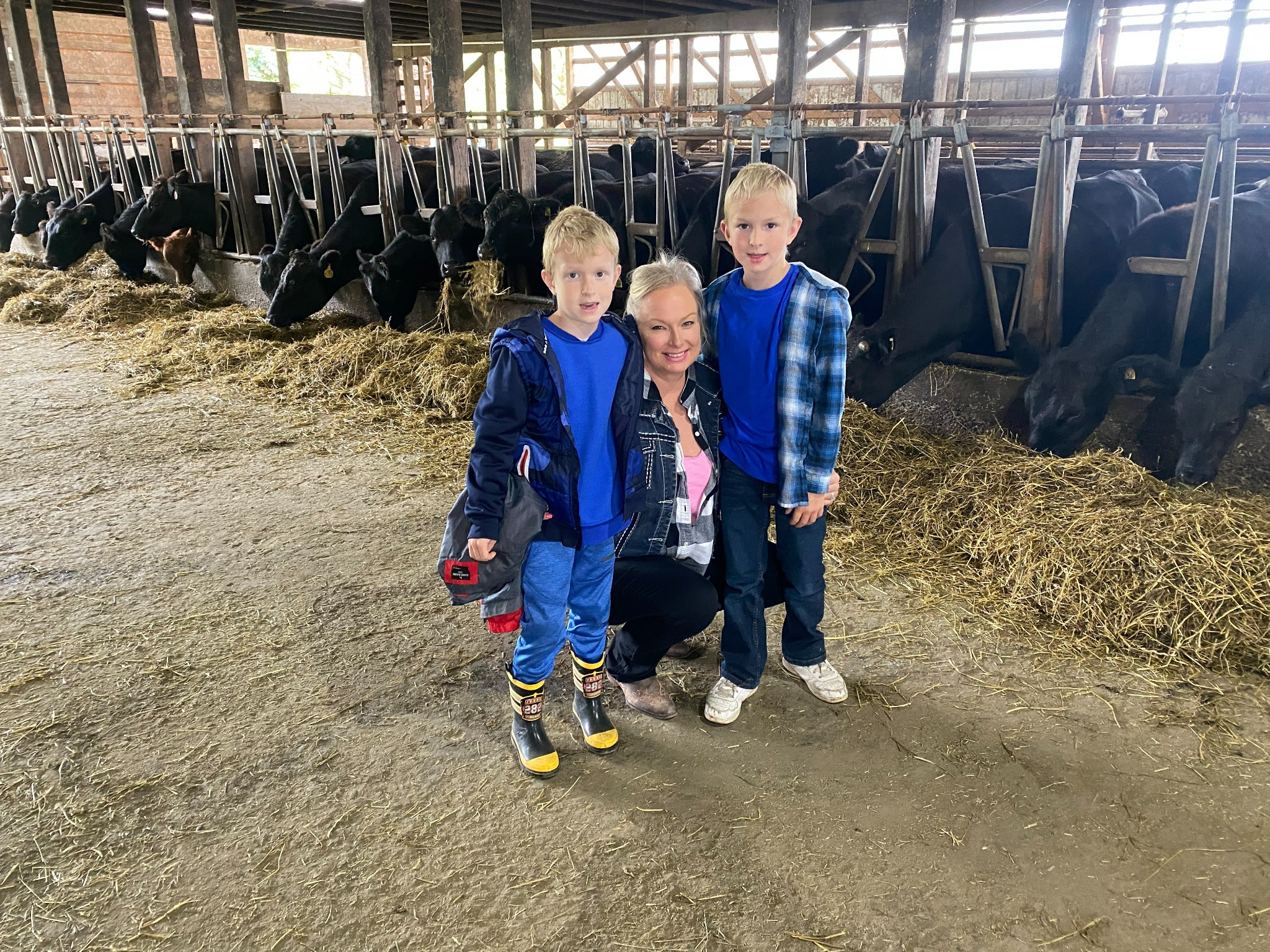
Melanie and the boys are part of the story behind the farm. This photograph of them together in the barn is one of the family moments we want to keep in the album.

Melanie and the boys together in the barn with the cattle
Melanie and the boys in the barn.

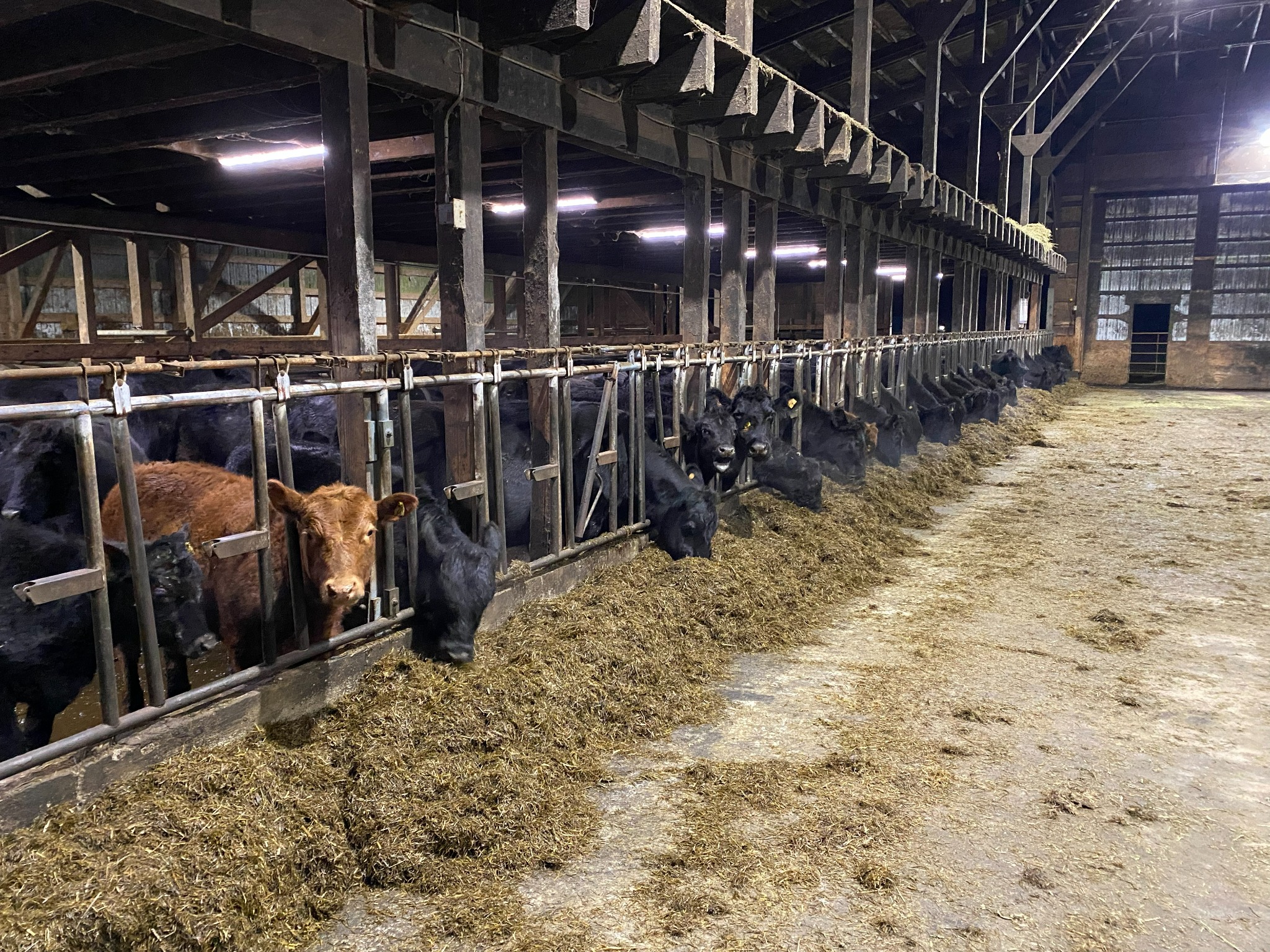
A line of cattle at the feed rail, hay along the aisle, and the old timber beams overhead. This photograph captures another part of everyday life on our farm.

Cattle eating hay along the feed rail inside the farm's timber barn
Feeding time in the barn, from our family farm album.

Everyday farm life

The little things, and the work behind them.

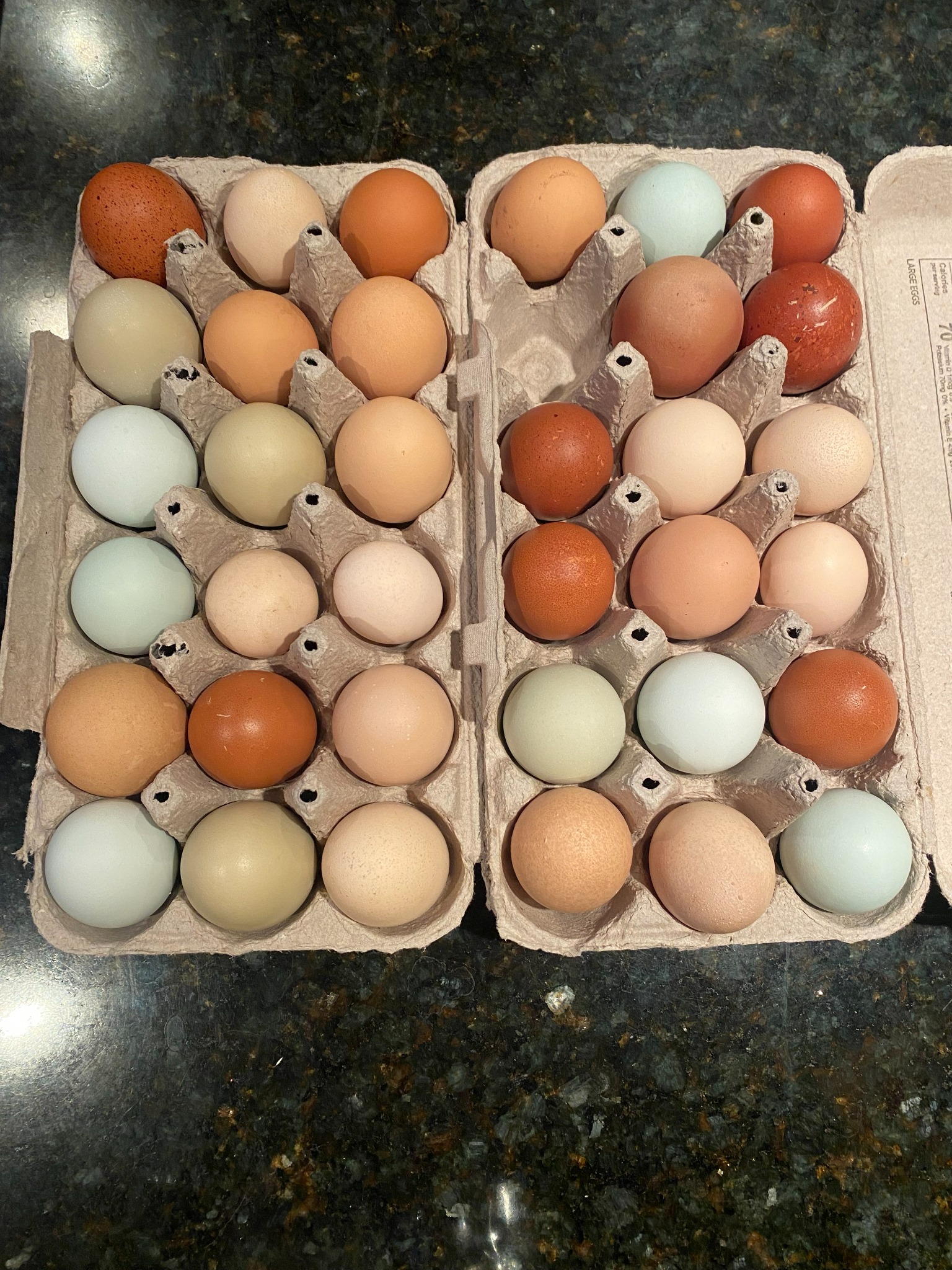
Eggs in shades of blue, green, cream, and brown make a colorful addition to the family album. Keeping chickens has long been part of my life, alongside building coops for other families and their flocks.

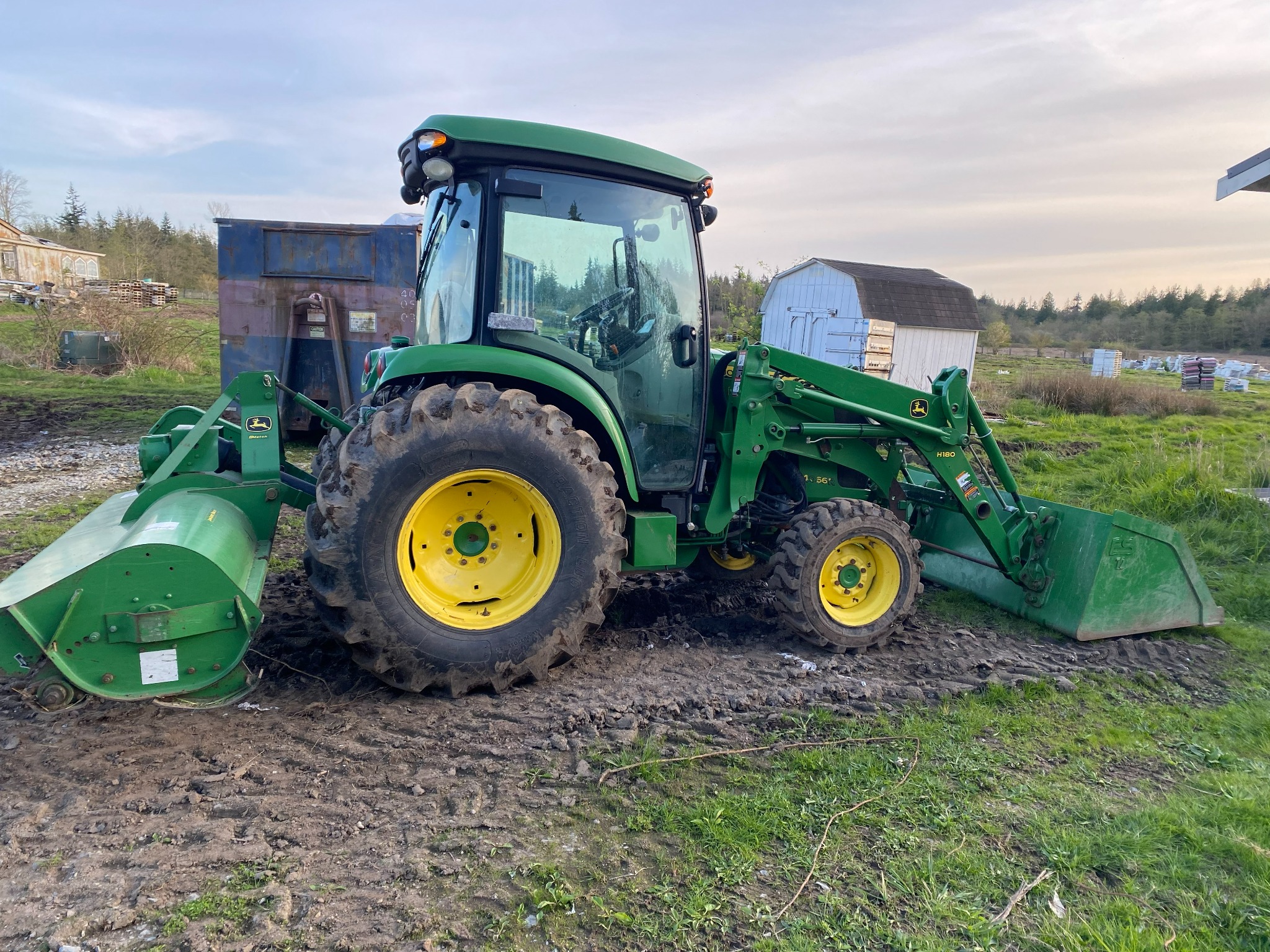
Other photographs tell the story of the work around the property: the tractor, the muddy tracks, the buildings, and the hives in the distance.

A carton of eggs in blue, green, cream, and brown shades
Colors from the egg carton.
A green tractor parked on the farm with buildings and beehives in the background
A familiar view around the farm.

Work around the farm

Another view of feeding time.

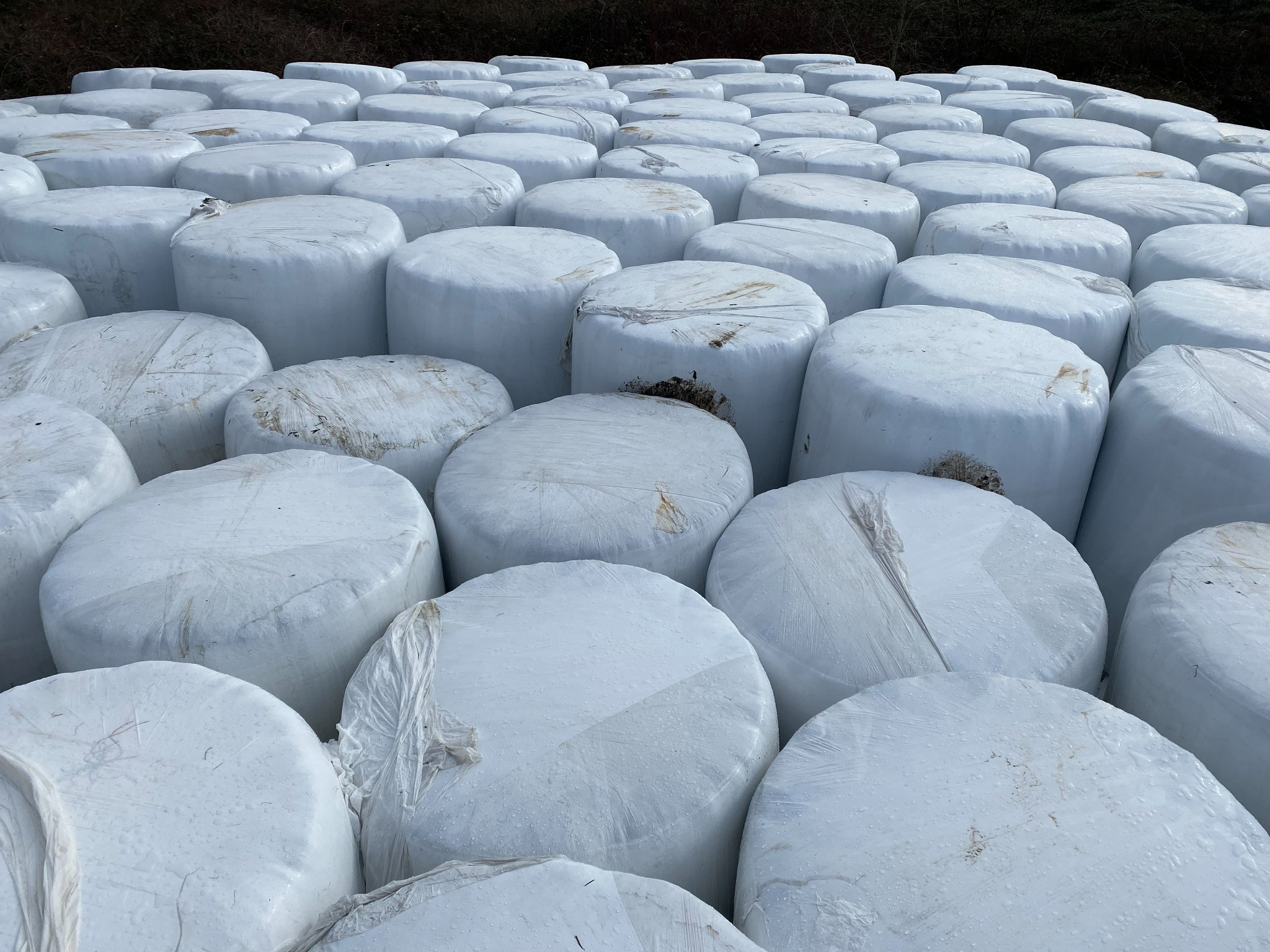
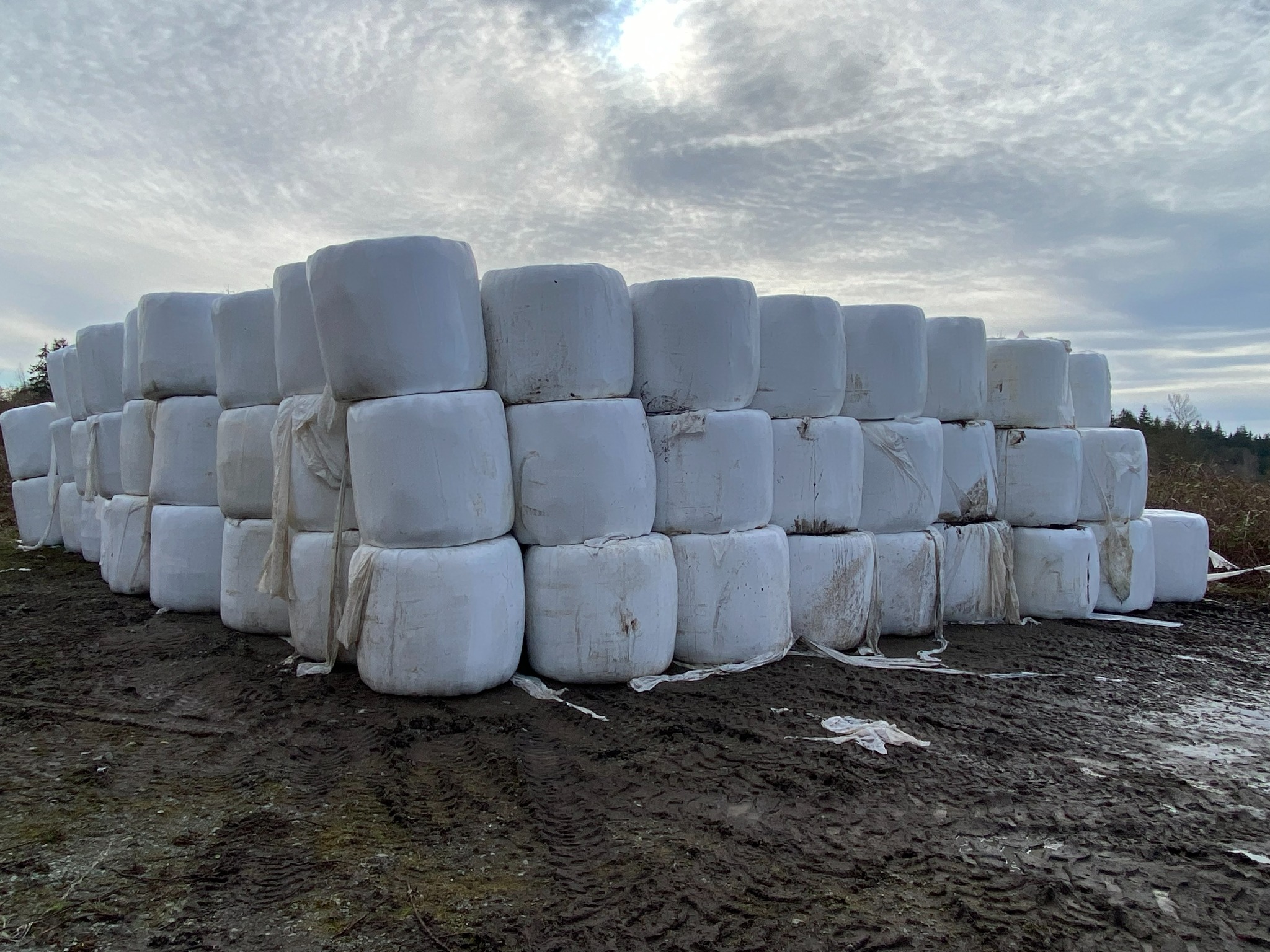
The cattle in the barn are only one part of the picture. These rows and stacks of wrapped bales show another side of the work that goes into keeping the farm going.

Rows of white-wrapped round bales stored at the farm
Rows of wrapped round bales.
White-wrapped bales stacked three high outdoors
Wrapped bales stacked at the farm.

More pages from our story.

This journal is a place for photographs, memories, and notes from the farm. Thanks for taking a moment to get to know the family behind Stanwood Bee Company.

Meet our family →   ·   Back to the Farm Journal →

Photos from our family archive. Dates beside the photographs refer to when those memories were originally shared.